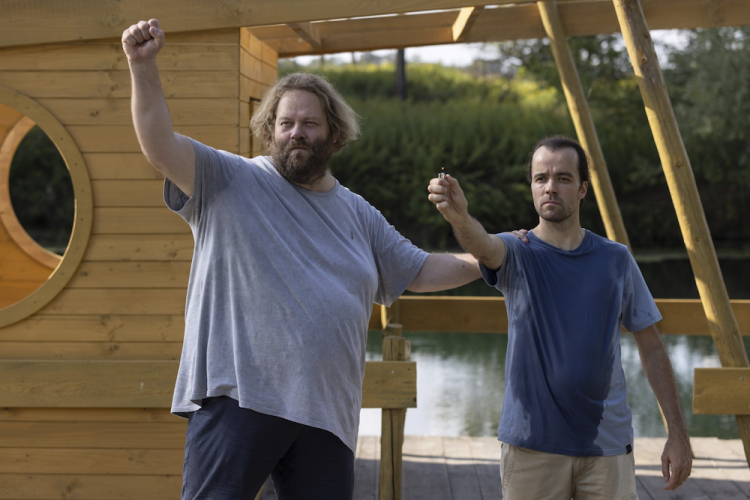
Sokszínű műfaji válogatással érkezik a 2026. október 8-án kezdődő, immár tizedik Szlovén Filmnapok a budapesti Toldi moziba. A díjnyertes, kortárs alkotásokat bemutató esemény nyitófilmje A fehéret kilencven fokon mossuk.












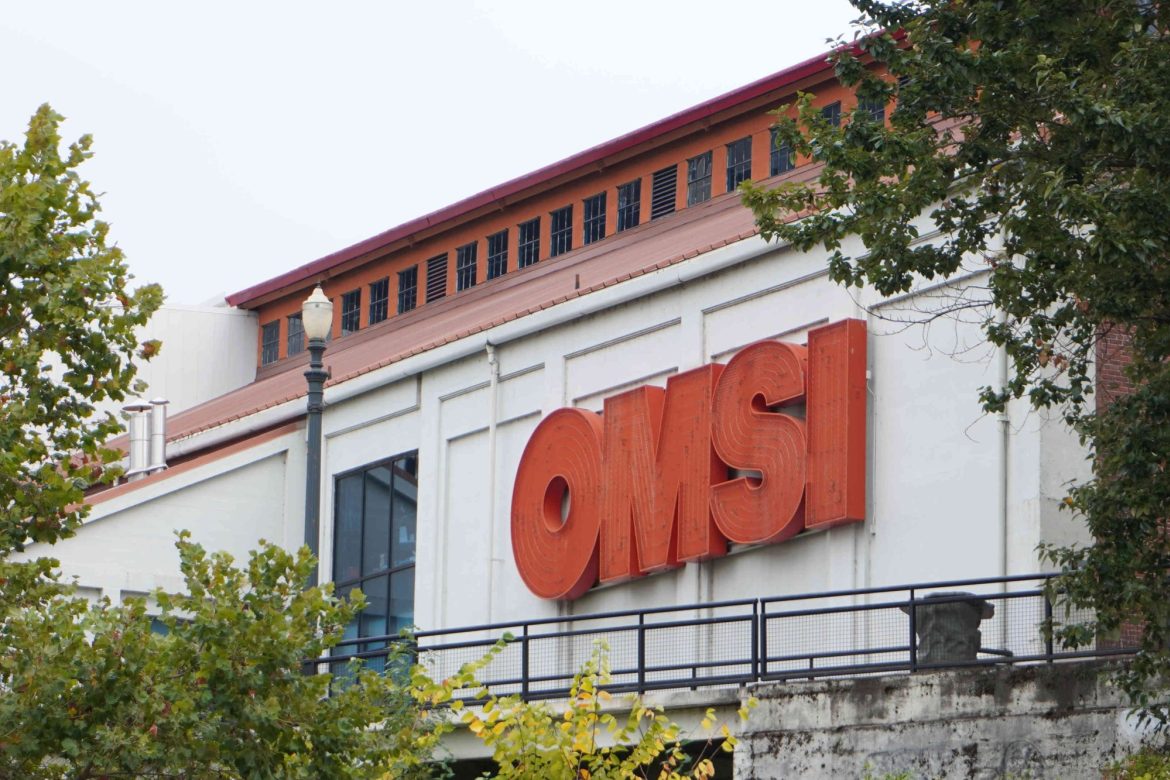
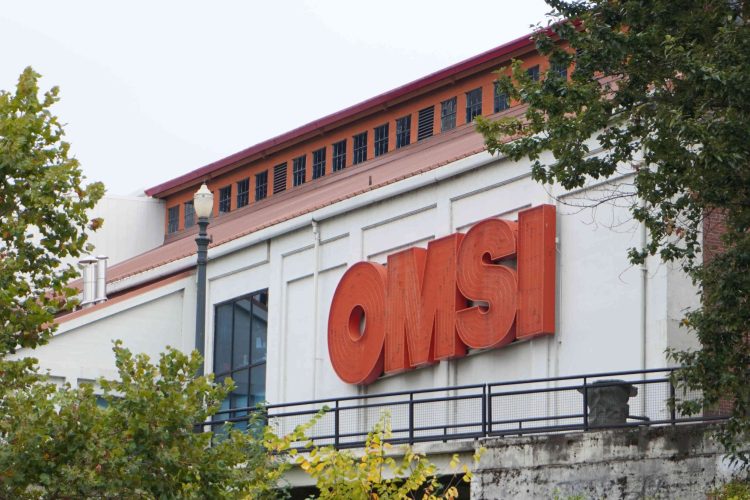
From Baby Playground to Submarine – OMSI in Portland. We visited Portland in early fall, and since we have always thought Budapest's Csodák Palotája (Palace of Wonders) science center a wonderful idea – both when it first opened and today – we were curious to see how the same concept works in the northwestern corner of the United States. That is how we found our way to OMSI, which is much more than just a museum: a science playground, experiment labs, a planetarium, a giant-screen theater and a submarine all in one place – and, above all, a kingdom for children.
What Is OMSI?
The self-declared goal of the Oregon Museum of Science and Industry – OMSI for short – is to bring science to as many people as possible, no matter who or where they are. Its mission is to inspire curiosity through engaging science learning experiences, to foster experimentation and the exchange of ideas, and to stimulate informed action. In its own words, it celebrates “those who dare to question: the explorers, the tinkerers, the storytellers, and the innovators.”
The museum's history goes back to 1944, when the Oregon Museum Foundation, the predecessor of OMSI, was established. In 1967 the Kendall Planetarium opened in the city's Washington Park, and in 1972 OMSI created its first traveling exhibition, Atom-Magic, which toured the country – since then OMSI has become a trusted provider of exhibitions for science centers across America. Today's building of some 20,000 square meters on Water Avenue opened in 1992 with a planetarium, a giant-screen theater and numerous exhibition spaces. In 2004 two new halls were added, designed especially for the youngest “scientists.”
The Starting Point: the Curious Child
The starting point is the child – the curious child who presses the button, pushes the ball, looks into the mirror – something happens, they enjoy it, and one day they get to the point of asking questions, of wanting to know why what happened happened the way it did. To twist a well-known saying: to a newborn, everything is new! For children there certainly is something new under the sun – but then, adults don't know everything either.
Much of the museum is not really a museum in the traditional sense, but an interactive exhibition where we can “carry out” physics and chemistry “experiments” – on a small scale, of course. The aim of exhibitions like this, wherever they are in the world, is to support education and to awaken curiosity, in a playful way, for the sake of growth and change. At OMSI this is not just a slogan: its programs offer something for every age group from birth to the end of the teenage years – not to mention adults.
A Child-Friendly Museum – Age by Age
The Youngest (Ages 0–6): Science Playground
Science Playground was created especially for children from birth to age six and their families, and it is included in the price of admission. There is a water area where kids can build with DUPLO, spin water vortexes and experiment with flow; a woodland scene with costumes, a cave and acorns to stash away for winter (“Animal Secrets”); a climber with multiple entrances and a lookout (“Climb High”); and an enclosed area just for infants and crawlers. In the Discovery Lab, frequently changing hands-on projects build early science skills, and on Wednesdays and Saturdays at 11 am there is storytime – with two STEAM-themed books and movement activities. Be prepared for the hall to be popular, so you may sometimes have to wait. Admission is free for children under three.
School-Age Children (approx. Ages 6–13)
For them there are the experiment labs (chemistry, physics), design challenges and the renewed Nancy Stueber Natural Sciences Hall, whose central interactive exhibit, the bilingual Climate of Change / Clima de Cambio, explores the relationship between people and their environment, as well as the local impacts of climate change and community solutions – featuring, among other things, the Science on a Sphere globe projection and renewable-energy activities. (Please note: the Physics Lab is temporarily closed from September 8 to November 14.)
School groups can come on field trips, and classes in grades 3–8 can even spend a night at the museum (Museum Overnights): after evening lab activities, a documentary film, a planetarium show and a submarine tour, they sleep among the exhibits, and breakfast awaits them in the morning. OMSI also hosts birthday parties.
In summer, day camps run (weekdays from 9 am to 4 pm) at the museum, at the Oregon Zoo and in Hillsboro, while overnight camps take place at two remarkable field stations. Camp Gray lies on the coast in Newport, between the dunes and Yaquina Bay; Camp Hancock is in the interior of Oregon, in the Clarno Unit of the John Day Fossil Beds National Monument – the latter began in 1951 as a summer geology camp and is still running today. Activities include research, hiking, rafting, desert survival and even making a documentary film.
Upper Grades (Grades 4–8): Outdoor School
At the same two sites OMSI also runs an Outdoor School, with sessions lasting from two to five days in spring and fall. On the coast the topics are ocean currents, geology and ecological adaptation; in the desert, fossils, canyons, archaeological sites and arid-lands ecology – and, under clear skies, astronomy. Instruction takes place in small groups (seven students per instructor), is aligned with science standards, and offers a choice of more than twenty programs.
Teenagers (Ages 13–18)
Teens have a space of their own: The Mezz is a safe out-of-school spot for 13- to 18-year-olds, where they can work on their own projects with mentors and peers and express themselves through technology. Those aged 14 and over can volunteer at the museum – thus sparking curiosity in younger visitors themselves – and can also take jobs as camp counselors.
And the Adults
Yes, adults too, because there are spaces and programs aimed specifically at them. One of these is the OMSI After Dark evening series (for ages 21+; on October 28, for example, with a Halloween evening themed “Spirits”), or the Educated Guess quiz night. OMSI also offers professional development for educators, and an online learning hub for use at home (Science at Home).
Titanic – Real Artifacts from the Depths of the Ocean
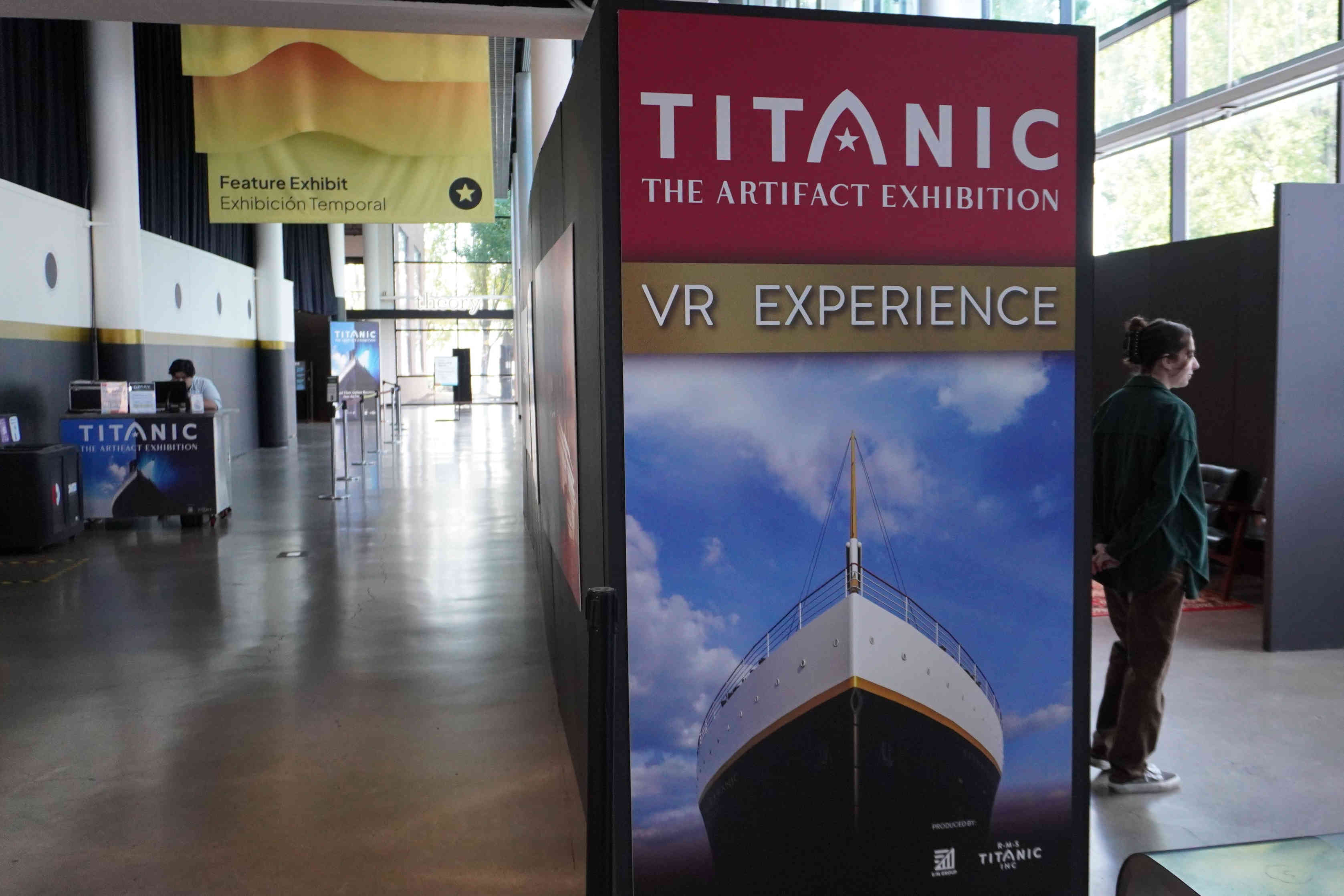
During our visit in September 2026 there was a superb exhibition about the Titanic (TITANIC: The Artifact Exhibition) – its story, photographs and real artifacts recovered from the ocean floor. Although so much has already been written about the tragedy, I think we were not the only ones to discover something new. In one of the rooms a real block of ice awaited us, which visitors could touch – supposedly it was the same temperature as the floating ice at the time of the disaster. If you still want to see it, hurry: the exhibition closes on October 18, and a separate ticket is required.
Planetarium and Giant Screen
Among the special programs are the planetarium shows: comfortable seats, a huge projected image and fascinating topics from across the universe. The Kendall Planetarium was renovated in 2017; its state-of-the-art projection system interfaces with real-time data from NASA and NOAA (the U.S. National Oceanic and Atmospheric Administration), and it is considered the premier planetarium of the Pacific Northwest.
Films are shown on the giant screen of the Empirical Theater, and the selection is wide: from documentaries to Hollywood favorites. This fall, for example, The Odyssey is playing, and from early November the Japanese Godzilla Minus Zero will also be on the program.
A Real Submarine on the Riverbank
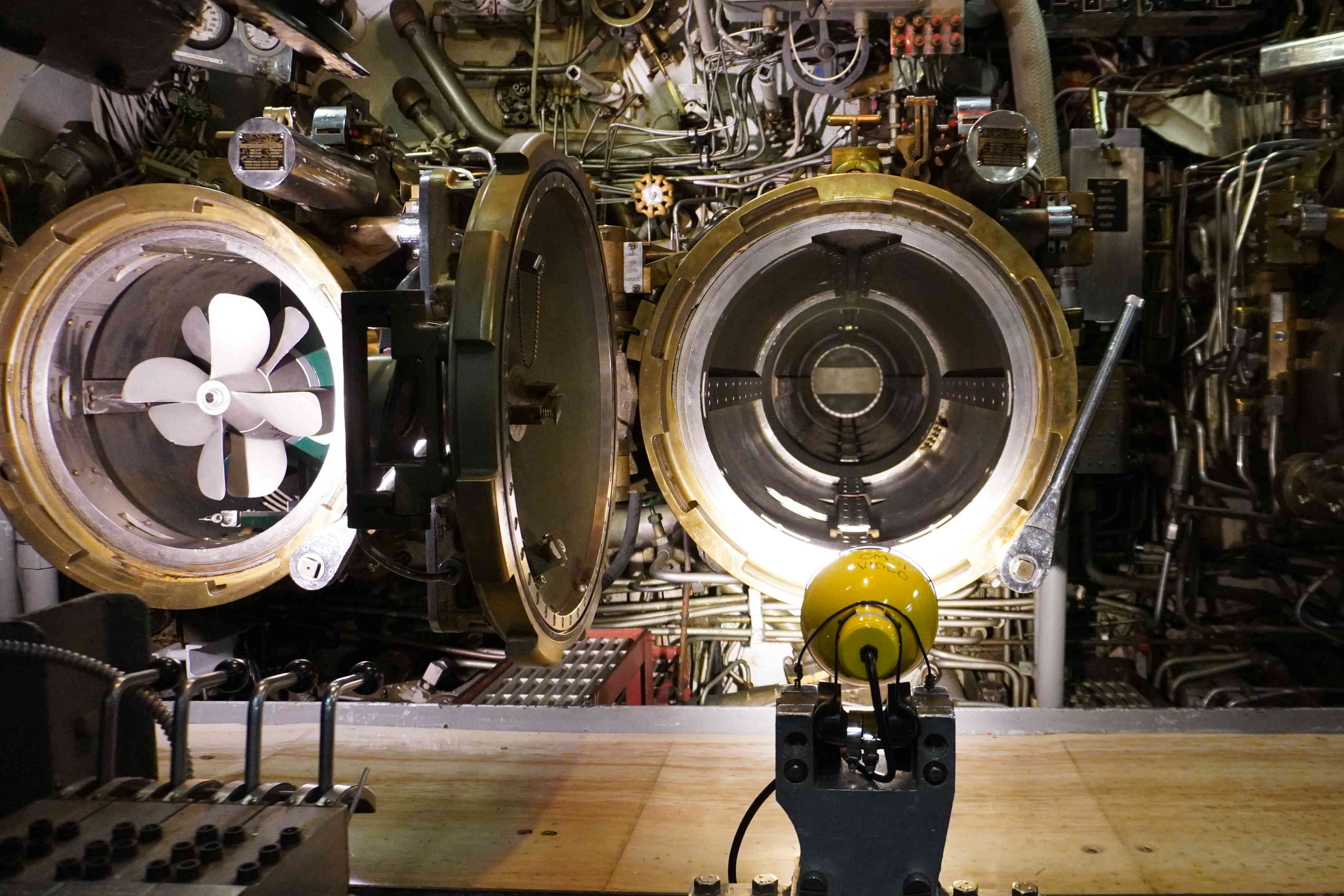
I haven't yet mentioned the museum's location: it lies on the bank of the Willamette River, and here, next to the museum, the USS Blueback submarine was opened to the public in 1994. Stepping into a real, fully equipped submarine is a fantastic experience. The guided tour is excellent, and you learn many small, interesting details – for example, where they stored the vast number of cans laid in to feed the crew, or how often the sailors got to shower. For safety reasons, only visitors aged three and over may take the tour.
OMSI in a Day – and in the Future
OMSI, then, is a bit like Budapest's Palace of Wonders for children and adults alike: a playground for the youngest, labs and camps for schoolchildren, a creative space for teens, changing exhibitions – currently the Titanic – spectacular science outreach from the planetarium to the giant-screen theater, and, as a curiosity, submarine tours.
OMSI's vision is to create a one-of-a-kind neighborhood, the OMSI District: an inclusive community destination with innovation, the arts, culture and science learning at its heart. The roughly 10-hectare (24-acre), transit-oriented, mixed-use district would be home to 1,200 new housing units (at least 20% of them affordable), a waterfront education park, public plazas and event spaces, maker spaces, indoor and outdoor labs, and a Center for Tribal Nations – with net zero carbon emissions and waste. The vision for the district grew out of a collaboration of local, Tribal and regional government entities, nonprofits and businesses – among them the City of Portland, the State of Oregon, Portland Community College and Portland Opera.
So if you are in Portland with children, we warmly recommend a visit to OMSI – not only the little ones but the grown-ups too are guaranteed to have a great time. As for us, we look forward to seeing what comes next!